Inverted Nipples: Causes, Grades and Treatment Options in India
Inverted nipples are common and often present from birth. Learn the causes, the three grades, and the non-surgical and surgical options available in India.
Liposuction Before and After: How Long Until You See Results?
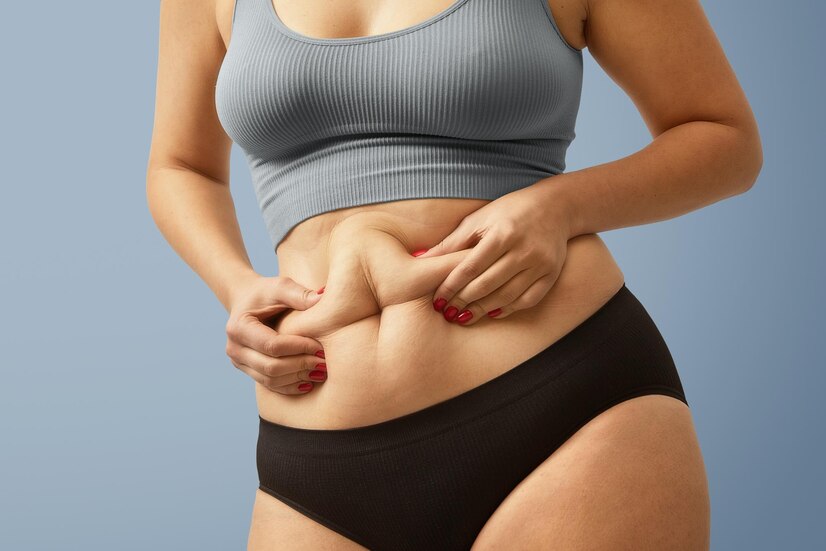
Liposuction Before and After: How Long Until You See Results? https://youtu.be/6dONWl2t4nE?si=OuyuOM2VNzk2eNZS You’ll notice some change within 2–3 weeks as initial swelling subsides, but liposuction results genuinely take shape over 3–6 months, with the final, settled outcome visible around the 12-month mark. Rushing to judge your results at week two is the most common reason patients feel disappointed early on, when nothing is actually wrong. The Question Behind the Question Most people asking “how long until I see results” aren’t really asking about a timeline — they’re asking am I going to look like this swollen and uneven forever? The honest answer is no, but the in-between stretch catches almost everyone off guard if nobody warned them about it first. Quick & Efficient: 45–90 Minutes Procedure Duration Minimally Invasive: Advanced Cannula Technique with Minimal Scarring Lasting Results: Treated Fat Cells Permanently Removed Patient Care: Same-Day Discharge, Scheduled Follow-Up What Liposuction Actually Does Liposuction removes stubborn, localized fat using a thin cannula inserted through small incisions — typically from the abdomen, flanks, thighs, arms, back, or chin. It’s not a weight-loss procedure; it’s a contouring one, best suited to areas that haven’t responded to diet and exercise. At Kalosa Aesthetics, Dr. Ashish Khare performs liposuction under local or general anesthesia depending on the treatment area and extent of correction needed. “Patients often expect to see the final shape the moment the bandages come off. What they’re actually seeing in week one is swelling sitting on top of the real result, not the result itself,” says Dr. Khare. Before Liposuction: What Actually Happens at Consultation https://youtu.be/bwWEVItap1c?si=nsOtAA8dy-nbGRnR Full health and anatomy assessment — your medical history, skin elasticity, and realistic expectations are discussed before anything is scheduled Pre-surgery instructions — typically includes stopping blood-thinning medication and fasting guidelines Setting a realistic goal — liposuction refines, it doesn’t replace weight loss; you should already be near your stable weight A real recovery plan — including what compression garment you’ll need and for how long If you’re still actively losing or gaining weight, it’s worth waiting. Results hold up far better starting from a stable baseline. The Liposuction Recovery Timeline, Honestly Whatsapp Your Query Days 1–7: Swelling, bruising, and some discomfortThis is normal, not a sign anything went wrong. Fluid drainage from incision sites in the first couple of days is expected. Compression garments start here and matter more than most patients expect — they’re not optional comfort wear, they directly shape how your skin settles. Weeks 2–4: The “in-between” phaseSwelling starts reducing, but this is also the stage where patients get discouraged, because the area can still look uneven or puffy in places. Most people return to light activity and desk work within this window, while avoiding strenuous exercise. 1–3 Months: Shape starts becoming genuinely visibleThis is usually the first point where you can honestly judge your results. Swelling is mostly gone, and the treated area starts showing real definition. 3–6 Months: Skin tightens, contours settleYour skin continues adjusting to the new contour during this window. If you’re going to see any lingering puffiness, it’s usually resolving by now. 6–12 Months: Final resultThis is the honest finish line. Full skin retraction and final shape are typically complete by this point, especially for larger treatment areas like the abdomen or flanks. What Changes the Timeline How much fat was removed — larger volume means longer swelling resolution Treatment area — the abdomen and flanks generally take longer than the chin or arms Your skin’s natural elasticity — this varies person to person, independent of the surgery itself How closely you follow aftercare — wearing your garment as instructed and avoiding alcohol/salt in the early weeks genuinely affects how fast swelling resolves Are Liposuction Results Permanent? The fat cells removed during liposuction don’t come back — that part is permanent. But the cells that remain can still expand if you gain significant weight afterward, which is why maintaining a stable weight matters more after surgery, not less. Red Flags to Watch For During Recovery Most swelling and bruising is normal. Contact your surgeon promptly if you notice: Spreading redness or warmth around incision sites Fever Severe, worsening pain rather than gradual improvement Significant asymmetry that doesn’t begin improving after month 3 https://youtu.be/SNrzK5zXnUA?si=MQqC687MxH4uFT80 FAQs About liposuction before/after How long until liposuction swelling goes down? Most visible swelling reduces significantly within 4–6 weeks, though subtle swelling can continue resolving for several months. When will I see my final results?Most patients see their true final result between 6 and 12 months after surgery, once the skin has fully retracted and settled. Can liposuction results vary between different areas treated in the same session? Yes. Areas like the chin or arms typically show visible results faster since they involve less tissue, while the abdomen and flanks take longer to settle due to the larger volume treated. It’s normal for one area to look more defined than another during the healing process — both are progressing normally, just on slightly different timelines. Is it normal to look worse before looking better?Yes. Swelling and temporary unevenness in the first few weeks is expected and isn’t a sign of a poor outcome. Can I speed up my results?Wearing your compression garment as instructed, staying hydrated, avoiding excess salt and alcohol, and gentle walking (once cleared by your surgeon) all support faster, smoother healing — but nothing substitutes for time. Will the fat come back after liposuction?The treated fat cells are permanently removed. However, significant weight gain afterward can still cause remaining fat cells elsewhere, or even in treated areas to a lesser extent, to expand. Book appointment for Liposuction Surgery Kalosa Aesthetic, Gurgaon ⭐ 4.9/5 (120+ Reviews) 📍 Address: Plot No. 33, Sector 44, Gurgaon, Haryana – 122003 Insurance & EMI 24×7 Open Emergency Care Kalosa Aesthetic, led by Dr. Ashish Khare, offers lipo laser treatment. We provide world-class facilities with patient-focused laser liposuction treatment with latest medical innovations. ⏰ Timings: Mon – Sat: 10:00 AM – 7:00 PM | Sunday: Closed
Breast Reduction Surgery Cost in Delhi: What Drives the Price, and What to Check First
kalosa aesthetics Breast Reduction Surgery Cost in Delhi: What Drives the Price, and What to Check First Explore Botox Video Guide Medically reviewed by Dr. Ashish Khare | Updated on July 2026, 2026 Breast reduction surgery in Delhi typically costs between ₹1,20,000 and ₹2,50,000, depending on tissue volume, operating time, and whether you need an overnight hospital stay. The price gap between clinics almost always comes down to what’s actually included, not the surgery itself. Table of Contents Planning Your Visit: Delhi :Quick-facts list Consultation and surgery at Kalosa, 34, Qutab Institutional Area, B – 33, Tara Crescent Road, DDA Flats, Munirka, New Delhi, Delhi 110016 Easy 20-minute reach from most of Gurgaon and Sohna Road Frequent follow-ups in the first 2 weeks — proximity matters for healing checks Coming from Delhi or Noida? Plan around peak traffic hours Schedule surgery a day or two before the weekend for uninterrupted rest The Moment Most Patients Hit This Confusion You call two clinics about breast reduction in Delhi. One quotes ₹90,000. The other quotes ₹2,20,000. Same surgery name, wildly different numbers, and neither person on the phone explains why. This isn’t dishonesty on either end — it usually just means one quote covers surgeon fees alone, and the other includes anesthesia, hospital stay, and follow-up visits. You won’t know which until you ask directly. Who’s Behind This Guide Who’s Behind This Guide Dr. Ashish Khare holds an MBBS from University College of Medical Sciences, New Delhi, an MS in General Surgery from Lady Hardinge Medical College, and an MCh in Plastic Surgery from SMS Medical College, Jaipur. He completed a fellowship in Reconstructive Microsurgery at Medanta Hospital and has served as Head of Plastic Surgery at Medeor Hospital, New Delhi, since 2017. He is a member of the Association of Plastic Surgeons of India (APSI) and has performed breast reduction and lift procedures for over 20 years. What This Guide Covers What actually drives breast reduction cost in Delhi What a fair, transparent quote should include Whether insurance ever applies Real warning signs to watch for Common questions patients ask before booking What Drives Breast Reduction Surgery Cost in Delhi? How much tissue needs to come out. Larger reductions take longer in the operating room, which raises both surgeon time and anesthesia cost. Your surgeon’s technique. Some cases need liposuction added for better shaping. Others need a specific pedicle technique to preserve nipple sensation. Both affect time and cost. “No two breast reduction cases are priced the same way, because no two bodies need the exact same plan,” says Dr. Ashish Khare. If you’re comparing this to a full breast surgery in Delhi consultation, the same logic applies — the quote should match your case, not a generic package. Anesthesia and hospital stay. A day-care procedure costs less than one requiring overnight observation. Larger reductions often need the extra monitoring. Facility type. Medeor Hospital offers full surgical backup and on-site monitoring, which is priced differently than a standalone clinic — for good reason, since it means real safety infrastructure is available if you ever need it. What Should a Breast Reduction Surgery Cost Quote Include? A fair quote lists each part separately. Here’s what to check for:” Line Item Included? Surgeon’s fee Should be stated clearly Operating theatre time Hours covered, extra-hour rate if it runs long Anesthesia Type, and who administers it Hospital stay Day-care or overnight Support garment How many provided Follow-up visits How many, over what period Revision policy What’s covered if needed “Zero scarring, guaranteed” — breast reduction always leaves some scarring. Anyone promising otherwise isn’t being straight with you. No named anesthetist — if a clinic can’t tell you who’s administering anesthesia and how you’ll be monitored, that’s a real safety gap, not a small detail. One rushed consultation covering everything — a proper assessment takes time to examine your anatomy and discuss your goals, not fifteen rushed minutes. Pressure to decide today — countdown discounts and “book now or lose this price” have no place in a surgical decision. Vague wording around drains and overnight stay — “if needed” with no clear criteria or cost attached is how surprise bills happen. Ask for specifics upfront. A single follow-up visit only — healing takes months, not one appointment. If a clinic only schedules one check-in, ask how they’re monitoring your recovery in between. Breast Reduction vs. Breast Lift Which One Do You Actually Need? If your main concern is size and weight, not just shape, you likely need a reduction, not a lift. A lift alone won’t make breasts smaller. What Each One Changes Reduction removes excess tissue to make breasts smaller and lighter. A lift reshapes and repositions without removing significant volume. Many patients need both done together. Procedure Time A breast lift alone typically takes 2 to 3 hours. Adding tissue reduction extends this to 3 to 4 hours, depending on how much needs to come out. How Long Results Last Both are considered long-lasting once your body settles post-surgery, usually by the 3 to 6 month mark. Significant weight changes or pregnancy afterward can affect results either way. Recovery Initial recovery for both is about 1 to 2 weeks before returning to light activity. Full healing, including reduced swelling and settled scarring, takes 6 to 8 weeks. Frequently Asked Questions in Ozempic How much does breast reduction surgery cost in Delhi? Typically between ₹1,20,000 and ₹2,50,000, depending on tissue volume, technique, and hospital stay requirements. Why do breast reduction quotes vary so much between clinics? Because they often don’t include the same things — one might quote surgeon fee alone, another includes anesthesia, hospital stay, and follow-ups. Is breast lift surgery cost in Delhi different from breast reduction cost? A lift alone, without tissue removal, is usually less than a full reduction, since it involves less operating time. Many patients need both together, which is priced as one combined procedure. Does insurance cover breast reduction in Delhi? Only if there’s
PRP Treatment for Skin: Benefits, Results, and What to Expect

kalosa aesthetics Platelet-Rich Plasma (PRP) – Procedure, Cost, Risks and Side Effects Tired skin doesn’t need surgery to look better. PRP therapy is one of the few treatments that uses your own blood to bring back a fresh, glowing look — no needles full of chemicals, no downtime, just your body doing what it already knows how to do. Explore Botox Video Guide Medically reviewed by Dr. Ashish Khare | Updated on July 2026, 2026 PRP treatment for skin uses your own platelet-rich plasma to boost collagen, fade acne scars, and even out skin tone. Most people see smoother, brighter skin within 3 to 6 weeks, and results can last for months with simple upkeep sessions. Table of Contents Why People Are Asking About This Right Now PRP uses your own blood to help your skin heal and make more collagen. It can improve fine lines, uneven tone, and acne scars. It won’t erase deep wrinkles or replace surgery. Most people need 3 to 4 sessions to see real change. The Problem Most People Run Into You’ve tried creams. Maybe a few facials. Your skin still looks tired, or the acne marks won’t fade. You’ve heard PRP helps, but you’re not sure if it actually works or if it’s just a trend with a fancy name. Who’s Behind This Guide Who’s Behind This Guide Dr. Ashish Khare holds an MCh in Plastic Surgery from SMS Medical College, Jaipur. He’s a member of the Association of Plastic Surgeons of India (APSI) and completed a fellowship in reconstructive microsurgery at Medanta Hospital, Gurgaon. He’s performed PRP treatments for both hair and skin at Kalosa Aesthetics for over 20 years. What This Guide Covers What PRP actually is The real benefits, one by one How many sessions you’ll likely need What to check before you book What it costs Real questions patients ask before booking What Is PRP for Skin? PRP stands for platelet-rich plasma. Here’s how it works, in plain terms: A small amount of your blood is drawn, like a normal blood test. It’s spun in a machine that separates the platelets from the rest. That platelet-rich part is injected back into your skin. Platelets carry growth factors. These signal your skin to heal itself and make more collagen. “Your own blood already has what your skin needs to repair itself. PRP just concentrates it and puts it where it’s needed most,” says Dr. Ashish Khare. Book a consultation to find out What Can PRP Actually Improve? 👉 If your main concern is actually volume loss, not texture, our [dermal fillers guide] may be a better fit than PRP alone. Fine lines and early wrinkles More collagen means firmer skin. This works best on early signs of aging, not deep, long-set wrinkles. Uneven tone and texture Sun spots and rough patches often improve as new skin cells replace damaged ones. Acne scars. PRP encourages new tissue to grow where scar tissue sits. It won’t erase deep, pitted scars completely, but it can soften them. Dry, dull skin Better blood flow means better hydration from the inside. What PRP Won’t Fix Be wary of anyone who promises PRP replaces surgery. It doesn’t tighten loose skin. It won’t remove a deep wrinkle that’s been there for years. “PRP works with your skin’s own healing process. It can’t do what a facelift or deeper resurfacing does,” says Dr. Ashish Khare. How Many Sessions Do You Need? Most patients need 3 to 4 sessions, spaced 4 to 6 weeks apart. Results build slowly, over 3 to 6 weeks per session. After that, a touch-up every 4 to 6 months keeps results going. What Does PRP for Skin Cost? What’s Included Details Consultation Skin assessment before treatment Blood draw and processing Included in session cost Per session Confirm exact pricing at consultation Follow-up touch-ups Every 4-6 months (Exact pricing needs confirmation with the clinic before publishing — I don’t have verified current PRP-for-skin rates for Kalosa specifically.) Red Flags to Watch For “Guaranteed to remove all wrinkles” — no PRP provider can promise this. It’s a sales line. No explanation of the centrifuge process — if they can’t explain how your blood is actually processed, that’s worth pausing on. One session, dramatic before-after photos — real PRP results build slowly. Instant “after” photos are usually swelling, not results. Same needle technique sold for every skin concern — your treatment plan should match your actual skin, not a one-size routine. Is PRP Covered by Insurance? No. PRP for skin is considered cosmetic and isn’t covered by standard health insurance in India. Most patients pay per session or in a package. Can PRP be combined with other treatments? Yes. It’s often paired with microneedling or laser treatments for stronger results. Can PRP treat acne scars completely? It softens and improves scars but rarely removes deep, pitted scars entirely. It’s often combined with other treatments for severe scarring. The Real Benefits of Face PRP How they work. Botox and filler solve two completely different problems. Botox relaxes muscle movement. Fillers add physical volume. Neither one does the other’s job.People often think Botox and fillers are interchangeable. They’re not. One relaxes muscle, the other restores volume — the right choice depends entirely on what’s actually causing the line you’re seeing,” says Dr. Ashish Khare Smoother, firmer skin. As collagen and elastin drop with age, skin loses its bounce. PRP nudges your skin to make more of both, which helps fill in fine lines naturally. Fading acne scars Growth factors push your skin to replace damaged tissue with healthier, fresher skin. This works even on scars that didn’t respond well to creams. Better skin tone Sun damage, pollution, and stress leave skin patchy and uneven. PRP therapy helps even that out, fading dark spots and giving you a more radiant look. Low risk of reaction. Since it’s your own blood, there’s no real risk of allergic reaction the way there can be with other injectables. Real hydration Tired skin is
Botox vs. Fillers: What’s the Difference? | Kalosa Aesthetics

kalosa aesthetics What Is a Filler? Botox vs. Fillers Explained Explore Botox Video Guide Medically reviewed by Dr. Ashish Khare | Updated on July 2026, 2026 Botox and fillers get mentioned in the same breath so often that most people assume they’re interchangeable. They’re not. Understanding the difference between Botox and fillers matters, because picking the wrong one means paying for a treatment that won’t actually fix what’s bothering you. Table of Contents Planning Your Visit: Gurgaon :Quick-facts list Botox relaxes muscles to smooth wrinkles caused by movement, like forehead lines and crow’s feet. Fillers add volume to areas that have lost fullness, like cheeks and lips, and smooth out lines that stay visible even when your face is at rest. Botox and filler are often used together, not as competing options. Why This Confuses So Many People You’ve probably heard both words used loosely, sometimes even as if they mean the same thing. Someone mentions “getting Botox” for their cheeks, or “filler” for their frown lines, and it sounds fine until you actually book a consultation and realize the treatment doesn’t match the problem. That mismatch is the single most common reason people feel disappointed after a treatment that was never going to fix what they wanted fixed in the first place. Who’s Behind This Guide Who’s Behind This Guide Dr. Ashish Khare is a board-certified plastic surgeon with an MCh in Plastic Surgery from SMS Medical College, Jaipur, and over 20 years of expertise in facial aesthetic treatments, including Botox and dermal fillers, at Kalosa Aesthetics, Gurgaon. What This Guide Covers What is a filler, exactly, and what is Botox The real difference between Botox and fillers Which areas each one actually treats How long results last Cost, recovery, and how to decide which one you need What Is a Filler? Dermal fillers are injectable gels, usually made from hyaluronic acid, calcium hydroxylapatite, or poly-L-lactic acid. They add volume beneath the skin, plumping up areas that have lost fullness over time. Fillers are commonly used for: Cheeks — restoring volume to hollow or sunken areas Lips — adding fullness and definition Under the eyes — softening hollows and dark circles Jawline and chin — sharpening facial contours Results show up immediately, and they last anywhere from 6 months to a year or more, depending on the type used. What Is Botox? Botox is a purified protein that temporarily relaxes the muscles beneath your skin. It doesn’t add volume anywhere. Instead, it stops specific muscles from contracting, which smooths out the wrinkles those movements create. Botox is most often used for: Forehead lines — the creases from raising your eyebrows Crow’s feet — lines at the corners of your eyes Frown lines — the lines between your eyebrows Effects generally last 3 to 6 months, after which muscle movement gradually returns and the lines can reappear.👉 Curious whether your specific concern needs one, the other, or both? Book a consultation to find out What Is Ozempic, and How Does It Work? Ozempic is a brand name for semaglutide. It belongs to a drug class called GLP-1 receptor agonists. These medicines slow digestion and reduce appetite, which helps some people eat less without feeling constantly hungry. Ozempic was originally made for type 2 diabetes. Weight loss is a secondary effect, not the original purpose. Mounjaro is a different drug entirely. Its active ingredient, tirzepatide, works through two pathways instead of one, GIP and GLP-1. That’s part of why it’s not simply “cheaper Ozempic” or “better Ozempic.” It’s a genuinely different medicine. “People treat these drugs like they’re interchangeable. They’re not. The right choice depends on your specific case, not what’s trending,” says Dr. Ashish Khare. Get Cost Estimate Now Video Guide Is Ozempic Available in India? Yes, and access has expanded a lot recently. Semaglutide’s Indian patent expired on March 20, 2026. Within weeks, multiple Indian manufacturers, including Natco, Dr. Reddy’s, Sun Pharma, and Zydus, launched generic versions. That shift changed the real question. It’s no longer just “is it available.” It’s “what exactly am I being sold, and by whom.” Ozempic Cost in India: What You’ll Actually Pay Ozempic price in India has dropped sharply since generics entered the market. Here’s a realistic breakdown: Option Approximate Weekly Cost Generic semaglutide (vial) ₹325 – ₹450 Generic semaglutide (pen) ₹450 – ₹1,800 Branded Ozempic From ₹1,415 Mounjaro (tirzepatide) From ₹3,281 Side Effects Worth Knowing Before You Start Most common side effects are digestive: nausea, diarrhea, vomiting, constipation, and stomach discomfort. Official prescribing information also carries warnings around pancreatitis, gallbladder disease, kidney injury linked to dehydration, and a thyroid-related warning that rules out use for anyone with a personal or family history of certain thyroid cancers. One thing that gets less attention: weight loss on these drugs isn’t purely fat loss. Research has found some of the weight lost can come from muscle, not just fat. That’s part of why doctors increasingly recommend resistance training and enough protein alongside treatment, not just the injection alone. “Weight loss and fat loss aren’t the same thing. Protecting muscle matters just as much as the number on the scale,” says Dr. Ashish Khare. Who Are These Medicines Actually For? Not everyone chasing a few extra kilos before an event. Official prescribing guidance describes use in adults with obesity, or excess weight combined with a weight-related health issue, alongside diet and activity changes. That’s the real clinical bar, not a general wellness trend. Whether you’re a good candidate depends on your full medical history. Metabolic risk. Current medications. Digestive history. Whether you can realistically commit to ongoing follow-up. This is a decision for a doctor to make with you, not something to decide from a price comparison alone. Why Buying Without Medical Supervision Is a Real Risk As Ozempic cost in India has dropped, it’s also started showing up through informal channels, unverified sellers, social media shortcuts, clinics skipping proper screening. India’s drug regulator has already tightened scrutiny of unauthorized sales specifically because of this
Ozempic Cost in India 2026: Price, Safety & What to Know

kalosa aesthetics Ozempic Cost in India: Price, Safety, and What to Know Before Starting Explore Ozempic Video Guide Medically reviewed by Dr. Ashish Khare | Updated on July 2026, 2026 If you’re searching for Ozempic in India right now, you’re not alone. Interest in weight-loss injections has surged fast this year, mostly because prices just dropped sharply. Table of Contents Planning Your Visit: Gurgaon :Quick-facts list Ozempic cost in India has fallen a lot since generic semaglutide launched in March 2026. Branded Ozempic now costs around ₹1,415 per week. Generic versions start much lower, around ₹325 to ₹450 per week. Mounjaro, a different drug, still costs more, starting around ₹3,281 per week. Lower price doesn’t mean these are simple to use. They’re prescription medicines, and they need real medical supervision. Why This Guide Matters Right Now You’ve probably seen the headlines. Cheaper generics. New brands at pharmacies you’ve never heard of. Maybe a friend already started one. It’s tempting to just order it and figure out the rest later. That’s exactly the moment where a calm, honest explanation matters more than hype. Who’s Behind This Guide What This Guide Covers Dr. Ashish Khare is a board-certified plastic surgeon with an MCh in Plastic Surgery from SMS Medical College, Jaipur, and a fellowship in Reconstructive Microsurgery from Medanta Hospital. He’s a member of the Association of Plastic Surgeons of India (APSI) with over 20 years of experience at Kalosa Aesthetics, Gurgaon. What Ozempic actually is Ozempic price in India after patent expiry Who these medicines are actually meant for Side effects worth understanding before starting Why buying without supervision is a real risk What happens to your body after rapid weight loss What Is Ozempic, and How Does It Work? Ozempic is a brand name for semaglutide. It belongs to a drug class called GLP-1 receptor agonists. These medicines slow digestion and reduce appetite, which helps some people eat less without feeling constantly hungry. Ozempic was originally made for type 2 diabetes. Weight loss is a secondary effect, not the original purpose. Mounjaro is a different drug entirely. Its active ingredient, tirzepatide, works through two pathways instead of one, GIP and GLP-1. That’s part of why it’s not simply “cheaper Ozempic” or “better Ozempic.” It’s a genuinely different medicine. “People treat these drugs like they’re interchangeable. They’re not. The right choice depends on your specific case, not what’s trending,” says Dr. Ashish Khare. Get Cost Estimate Now Video Guide Is Ozempic Available in India? Yes, and access has expanded a lot recently. Semaglutide’s Indian patent expired on March 20, 2026. Within weeks, multiple Indian manufacturers, including Natco, Dr. Reddy’s, Sun Pharma, and Zydus, launched generic versions. That shift changed the real question. It’s no longer just “is it available.” It’s “what exactly am I being sold, and by whom.” Ozempic Cost in India: What You’ll Actually Pay Ozempic price in India has dropped sharply since generics entered the market. Here’s a realistic breakdown: Option Approximate Weekly Cost Generic semaglutide (vial) ₹325 – ₹450 Generic semaglutide (pen) ₹450 – ₹1,800 Branded Ozempic From ₹1,415 Mounjaro (tirzepatide) From ₹3,281 Side Effects Worth Knowing Before You Start Most common side effects are digestive: nausea, diarrhea, vomiting, constipation, and stomach discomfort. Official prescribing information also carries warnings around pancreatitis, gallbladder disease, kidney injury linked to dehydration, and a thyroid-related warning that rules out use for anyone with a personal or family history of certain thyroid cancers. One thing that gets less attention: weight loss on these drugs isn’t purely fat loss. Research has found some of the weight lost can come from muscle, not just fat. That’s part of why doctors increasingly recommend resistance training and enough protein alongside treatment, not just the injection alone. “Weight loss and fat loss aren’t the same thing. Protecting muscle matters just as much as the number on the scale,” says Dr. Ashish Khare. Who Are These Medicines Actually For? Not everyone chasing a few extra kilos before an event. Official prescribing guidance describes use in adults with obesity, or excess weight combined with a weight-related health issue, alongside diet and activity changes. That’s the real clinical bar, not a general wellness trend. Whether you’re a good candidate depends on your full medical history. Metabolic risk. Current medications. Digestive history. Whether you can realistically commit to ongoing follow-up. This is a decision for a doctor to make with you, not something to decide from a price comparison alone. Why Buying Without Medical Supervision Is a Real Risk As Ozempic cost in India has dropped, it’s also started showing up through informal channels, unverified sellers, social media shortcuts, clinics skipping proper screening. India’s drug regulator has already tightened scrutiny of unauthorized sales specifically because of this shift. That alone is a signal worth taking seriously. A responsible starting point always includes a real evaluation of your candidacy, an honest discussion of side effects, gradual dose increases under medical guidance, and a clear follow-up plan if symptoms develop. What a Doctor Should Actually Evaluate A proper consultation goes well beyond your current weight. Before prescribing, a doctor should review why you’re considering weight loss, your BMI and any related health issues, your diabetes or prediabetes status, kidney or gallbladder history, past weight-loss attempts, current medications, and whether you have a realistic plan to sustain results long-term. 👉 Want to understand candidacy for cosmetic procedures too? [See our guide on who’s a good candidate for body contouring.] The Plastic Surgery Perspective: Why This Matters Beyond the Scale Patients rarely experience weight loss as just a number. They experience it in the mirror. Rapid, significant weight loss can change facial volume, skin elasticity, and body contour in ways people don’t always expect going in. “A patient’s face and body change with rapid weight loss, sometimes in ways they didn’t plan for. That conversation matters just as much as the medicine itself,” says Dr. Ashish Khare. A candid conversation about what those changes might actually look like, and what can genuinely be addressed
Rhinoplasty Surgery In Delhi : Cost , Surgeon , Recovery, Before & After

kalosa aesthetics Rhinoplasty Surgery In Delhi : Cost , Surgeon , Recovery, Before & After Explore Rhinoplasty Video Guide Medically reviewed by Dr. Ashish Khare | Updated on January 26, 2026 Rhinoplasty in Delhi typically costs between ₹45,000 and ₹4,00,000, depending on complexity, technique, and whether it’s a first-time or revision procedure. Price alone won’t tell you if a quote is good value — what matters is what’s actually included, and who’s performing the surgery. Table of Contents Planning Your Visit: Gurgaon :Quick-facts list 20-minute drive from most of Gurgaon and Sohna Road Frequent follow-ups in the first 2 weeks — proximity matters Coming from Delhi or Noida? Plan around peak traffic hours Schedule surgery a day or two before the weekend for uninterrupted rest Located at South City-1, Kalosa Aesthetics is easy to reach for both surgery day and every follow-up after it. Dr. Ashish Khare Credential list Member, Association of Plastic Surgeons of India (APSI) Head of Plastic Surgery, Medeor Hospital, New Delhi (2017–Present) Sleep with their head elevated Fellowship, Reconstructive Microsurgery — Medanta Hospital MCh, Plastic Surgery — SMS Medical College, Jaipur For real patient outcomes, see our Before & After results. To understand his full training and approach, visit Dr. Ashish Khare’s bio page. Rhinoplasty Treatment Cost and Expenses Expect a range between ₹45,000 and ₹4,00,000 for a complete procedure in Delhi. The lower end typically covers straightforward tip or bridge refinement in a day-care setting. The higher end reflects revision cases, major structural work, or procedures performed in a full hospital setting like Medeor with overnight observation included. Cost in Delhi tends to track closely with Gurgaon and the rest of NCR — the bigger difference isn’t city, it’s whether you’re at a standalone clinic or a hospital with a dedicated plastic surgery department. Hospital-based care typically costs more but includes safety infrastructure a standalone clinic can’t offer, particularly for anesthesia monitoring and same-day emergency response. Get Cost Estimate Now Video Guide Rhinoplasty Cost in Delhi: Breakdown and Factors Before performing nose surgery in Delhi, the surgeon carefully reviews the patient’s medical records. Here’s what they check: Case complexity A simple bump reduction or tip refinement costs less than a case requiring cartilage grafting, revision correction, or combined breathing repair (septorhinoplasty). Facility type Rhinoplasty is a minimally invasive procedure that typically results in minimal scarring. Therefore, the surgery has no significant aesthetic drawbacks. Technique Closed rhinoplasty typically costs less than open surgery, which allows more extensive work. Ultrasonic bone reshaping adds cost but reduces post-op bruising. Primary vs. revision Revision rhinoplasty costs meaningfully more than a first-time procedure — expect scar tissue, altered anatomy, and often the need for cartilage grafted from rib or ear. What Is Usually Included in a Rhinoplasty Quote? Surgeon’s fee Yes, separately Operating theatre time – Hours covered Anesthesia – Local or general, administered by whom Hospital stay- Day-care or overnight Consumables – Splints, sutures, dressings Follow-up visits How many, over what timeline Revision policy – What’s covered, and within what window A lower quote that excludes anesthesia and follow-ups isn’t actually cheaper — it just delays the real cost to a bill you see after you’ve already committed. Is Rhinoplasty Covered by Insurance in India? Cosmetic rhinoplasty — reshaping the tip, smoothing a dorsal hump, narrowing the bridge — isn’t covered by standard health insurance. If your case involves a documented breathing problem, such as a deviated septum corrected alongside cosmetic changes, the functional (septoplasty) portion may be eligible for coverage with proper physician documentation, though pre-authorization is never guaranteed. Most Delhi patients plan to self-pay and treat any insurance contribution as a bonus. No-cost EMI options are available to spread the cost over several months. Types of Rhinoplasty: Open, Closed, Functional, Ultrasonic and Revision Open rhinoplasty — a small incision under the nose gives full visibility of internal structures. Best for complex tip work, major reshaping, or revision cases. Closed rhinoplasty — all incisions stay inside the nostril, leaving no visible scar. Suited to straightforward bump reduction or minor tip adjustments. Functional rhinoplasty (septorhinoplasty) — corrects breathing issues like a deviated septum, often combined with cosmetic changes in the same procedure. Ultrasonic (piezo) rhinoplasty — uses ultrasonic instruments for precise bone reshaping, generally associated with less swelling and bruising than conventional bone work. Revision rhinoplasty — corrects results from a previous surgery. More complex, often requiring cartilage grafts, and typically priced higher than a first-time procedure. Frequently Asked Questions in Rhinoplasty How much does a nose job cost in Delhi? Between ₹45,000 and ₹4,00,000, depending on complexity, technique, and facility type. Is rhinoplasty safe in Delhi? What’s the downtime? Yes, when performed by a board-certified surgeon in an accredited facility. Initial downtime is typically 7-14 days; final results are visible around 12 months. Who is the best plastic surgeon in Delhi for rhinoplasty? There’s no single “best” for everyone — evaluate based on board certification, case volume, transparent quoting, and a realistic, pressure-free consultation. Is rhinoplasty covered by insurance? Only the functional (breathing-correction) portion, with proper documentation. Purely cosmetic changes aren’t covered. What’s the difference between primary and revision rhinoplasty cost? Revision typically costs more, given scar tissue, altered anatomy, and the frequent need for cartilage grafts. Should I choose open or closed rhinoplasty? Your surgeon should recommend based on your specific anatomy and goals — technique should match the case, not personal preference. Can I finance rhinoplasty with EMI in India? Yes, no-cost EMI options are available to spread payments over several months. What happens if I’m unhappy with my results? Swelling takes months to resolve; final shape emerges around 12 months. If concerns persist beyond that, discuss revision options directly with your surgeon. When should I avoid rhinoplasty? Avoid scheduling if you’re pregnant, have an active infection, an uncontrolled chronic condition, or are under significant pressure to decide quickly rather than choosing for yourself. When should I call my surgeon after rhinoplasty? Contact immediately for heavy bleeding, fever above 101°F, severe unrelieved pain, sudden vision
Gynecomastia Surgeryin Delhi —Flat Chest. Permanent.
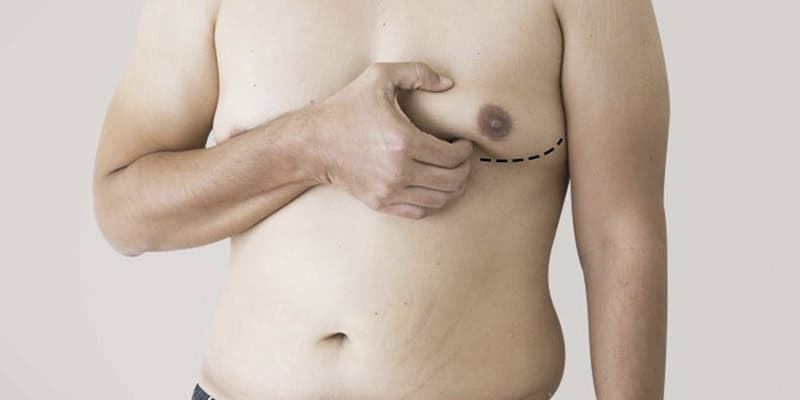
Gynecomastia Surgery in Delhi — Flat Chest. Permanent. Dr. Ashish Khare — Gynecomastia Specialist, Delhi 📞 +91 98188 16485 Free Consultation → ✦ Board-Certified Plastic Surgeon · Delhi NCR Gynecomastia Surgery in Delhi — Flat Chest. Permanent. India’s most trusted scarless male chest reduction surgery. Remove the gland, eliminate the fat, restore your confidence — in one daycare procedure. 9000+ Surgeries Done 98% Success Rate 16+ Years Experience 7–10 Days Recovery Book Free Consultation See How It Works ↓ Book Your Free Consultation Get a personalised assessment in 24 hours. Completely confidential. Select Grade / ConcernGrade 1 – Puffy Nipples OnlyGrade 2 – Mild Chest EnlargementGrade 3 – Moderate EnlargementGrade 4 – Severe / Skin SaggingNot Sure – Need Diagnosis Get Free Consultation → 🔒 Your details are 100% private and never shared. 🏥 Board-Certified Surgeon MCh Plastic Surgery, AIIMS ⭐ 4.9 / 5 Rating Based on 300+ reviews 🏨 NABH Accredited Hospital South Delhi — Easy to reach 💳 No-Cost EMI Available 0% interest, easy monthly plans 📋 Free Pre-Op Consultation In-person & virtual available Understanding the Condition What is Gynecomastia?It’s Not Just “Man Boobs” Gynecomastia is the medical term for the abnormal development of breast tissue in males. It’s caused by a hormonal imbalance — specifically, an increase in estrogen relative to testosterone — leading to the growth of firm glandular tissue beneath the nipple. This is fundamentally different from chest fat. Gynecomastia involves hard, glandular tissue that cannot be reduced by exercise or dieting. No matter how much you work out, the pectoral muscle underneath simply pushes the gland further forward — making it more visible, not less. ⚠️ Common Misconception If you’ve been told “just exercise more” — that advice won’t work if you have true gynecomastia. The firm disc of tissue under your nipple is glandular, not fat, and only surgery can remove it permanently. Gynecomastia affects roughly 30–65% of men at some point in their lives and can cause significant psychological distress, social anxiety, and avoidance of activities like swimming or going shirtless. Four Grades of Gynecomastia 1 Grade 1 — Puffy Nipples Small localised enlargement around the areola. Minor glandular tissue. Most common in teens and young adults. 2 Grade 2 — Moderate Enlargement Breast tissue extends beyond the areola. No skin excess. Very common; highly responsive to surgery. 3 Grade 3 — Visible Enlargement Significant breast enlargement with mild-to-moderate skin redundancy. Combined techniques required. 4 Grade 4 — Severe / Female-like Severe enlargement resembling female breasts. Significant skin laxity. Requires comprehensive reconstruction. Signs You May Have Gynecomastia Does This Sound Like You? Gynecomastia is often misunderstood and underdiagnosed. Here are the most common signs that indicate you may benefit from consultation. 👕 You Avoid Fitted Shirts Wearing loose or layered clothing to hide your chest shape has become a daily habit, affecting your self-expression and confidence. 🏊 You Skip Swimming & Gym Avoiding situations where you’d need to remove your shirt — pools, gyms, beaches — limits your social life and fitness routine. 💪 Exercise Isn’t Helping Despite regular chest workouts and low body fat, your chest still looks puffy. Chest exercises may even be making it worse. 🤕 Tender or Painful Nipples A firm, rubbery disc of tissue beneath one or both nipples — sometimes tender or sensitive to touch. This is classic glandular gynecomastia. 🧠 Affects Your Mental Health Persistent body image concerns, avoidance of intimacy, and low self-esteem are very common psychological effects of gynecomastia. ⏳ It’s Been There for Years Gynecomastia that persists more than 2 years past puberty will not resolve on its own. Surgery is the only permanent solution. The Surgery How Gynecomastia Surgery Works A precise, daycare procedure that delivers permanent, masculine chest results. No general anaesthesia in most cases. You go home the same day. 1 Consultation & Grading In-depth examination to determine your grade, composition (pure gland, fat, or mixed), and the minimum intervention needed for a clean, natural result. 2 Marking & Anaesthesia Precise pre-surgical markings are made. Local anaesthesia with sedation is administered — you’re comfortable and relaxed, but not under general anaesthesia. 3 Gland Excision (Scarless Technique) A tiny incision at the lower border of the areola allows complete removal of the glandular disc. The scar blends perfectly into the areola’s natural colour boundary — effectively invisible once healed. 4 VASER Liposuction for Contouring Ultrasound-assisted liposuction removes surrounding fat deposits and sculpts the chest wall for a smooth, athletic contour — not just flat, but masculine. 5 Compression Garment & Discharge A compression vest is applied immediately. Most patients are discharged within 4–6 hours and resume light daily activities within 48–72 hours. Techniques We Use Periareolar Incision Scarless The gold standard for Grade 1 & 2 gynecomastia. The incision sits at the natural colour boundary of the areola — invisible once healed. Used in 80% of our cases. VASER Hi-Def Liposuction Precise Ultrasound energy liquefies fat before removal, allowing ultra-precise sculpting around the pectoral muscles for a defined, athletic look. Combined Excision + Lipo For Grade 2–3 Used for mixed gynecomastia where both glandular tissue and fat deposits are present. Provides the most comprehensive result in a single surgery. Skin Excision & Chest Lift For Grade 3–4 Required when there is significant skin redundancy after gland and fat removal. Includes nipple repositioning for natural chest aesthetics. Transparent Pricing Gynecomastia Surgery Cost in Delhi No hidden charges. Final cost confirmed after consultation based on your grade. EMI available. Grade 1 Puffy Nipples ₹35,000 – ₹55,000 Periareolar incision only ✓Gland excision (periareolar) ✓Local anaesthesia ✓Daycare procedure ✓Compression garment ✓1-month follow-up ✦ Most Common Grade 2 – 3 Moderate Enlargement ₹60,000 – ₹1,10,000 Excision + VASER Liposuction ✓Gland excision (scarless) ✓VASER liposuction contouring ✓Local anaesthesia / sedation ✓Daycare procedure ✓Premium compression vest ✓3-month follow-up included Grade 3 – 4 Severe / With Skin Laxity ₹1,10,000 – ₹1,80,000 Comprehensive reconstruction ✓Combined excision + liposuction ✓Skin excision if required ✓Nipple repositioning ✓General / deep sedation ✓1-night hospital stay ✓6-month follow-up care Costs include surgeon
Hair Botox Treatment in Gurgaon

Botox Hair Treatment Guide: How It Works, Benefits and Pricing Botox hair treatment is a special treatment that helps fix and improve damaged hair. It does not use harsh chemicals. Even though it is called “Botox,” it is not the same as the one used on the face. Hair Botox is made with helpful ingredients like collagen, keratin, oils, and vitamins. These ingredients work together to make your hair soft, smooth, and healthy. People with dry, frizzy, or lifeless hair will benefit greatly from this therapy. It makes the hair look shiny, smooth, and full of life again. In this guide, you will learn how Botox hair treatment works, how much it costs, its benefits, and how it is different from other treatments like keratin. At Kalosa Aesthetics in Gurgaon, Dr Ashish Khare is highly experienced in providing Hair Botox treatment to his patients. He carefully checks your hair and gives the right treatment to help your hair become smooth, healthy, and shiny. Whatsapp Your Query Who Can Use Hair Botox? Split ends Fine, dull hair Damaged hair Frizzy hair Hair for straightening Safe for all hair About the Treatment What is Hair Botox Treatment? Hair Botox is a deep conditioning treatment that helps make your hair smooth, soft, and healthy again. It is called Botox because it makes your hair look fresh, full, and young — not because it contains the substance used in facial treatments. Good ingredients including keratin, collagen, vitamins B5 and E, and natural oils are used. These help to feed and protect your hair, making it stronger, shinier, and fuller. At Kalosa Aesthetics in Gurgaon, Dr. Ashish Khare carefully checks your hair and gives the right treatment to help your hair become smooth, healthy, and shiny. Hair Botox is a special treatment that helps fix and improve damaged hair using collagen, keratin, oils and vitamins — with no harsh chemicals involved. Who Can Use Hair Botox? This treatment is ideal if you have: ✓Split ends ✓Thin hair with less volume or shine ✓Damaged or chemically treated hair ✓Frizzy, unmanageable hair ✓Hair that you want to look straighter Hair Botox is safe for all hair types. The Process How Does Hair Botox Treatment Work? Hair Botox works by applying a special cream that goes deep into each hair strand — adding moisture, fixing damage, and reducing frizz. Heat sealing at the end locks in the results. 01 Deep Cleaning Hair is washed with a special shampoo to remove dirt and open the cuticle for better absorption. 02 Applying Treatment The Hair Botox cream is applied from roots to ends and gently massaged into each strand. 03 Waiting Time The cream is left on for 45 to 90 minutes so the ingredients can penetrate and work effectively. 04 Heat Sealing The hair is dried and straightened with heat to lock in the treatment for lasting results. 05 Aftercare Post-treatment care is advised to extend the results and maintain hair health. Why People Choose It Benefits of Hair Botox Treatment Reduces Frizz & Dryness Helps reduce dryness and frizz in damaged hair, leaving it soft and manageable from the very first session. Soft, Shiny & Full Hair Makes hair soft, smooth, shiny, and full of life again — restoring its natural appearance and lustre. Stronger Hair Reinforces the hair structure from within, reducing breakage and improving overall hair strength. Easy to Manage Makes hair easier to comb and style daily, reducing the time and effort needed in your routine. Safe for Colour-Treated Hair Safe for hair that has been coloured or chemically treated before — nourishes without stripping treatments. No Harsh Chemicals Unlike keratin, Hair Botox does not use formaldehyde or other strong chemicals — a gentler option. Know the Difference Hair Botox vs Keratin Treatment Both treatments address frizz and dryness, but they work differently and serve different goals. Feature Hair Botox Keratin Treatment Purpose Deep conditioning & hair repair Straightening and smoothing Chemicals Used Mild — collagen, keratin, vitamins, oils Stronger chemicals, often formaldehyde Changes Structure No — works within the strand Yes — alters natural hair structure Best For Repair, conditioning, adding volume Long-lasting straightening Results Last 2 to 4 months 3 to 6 months Safe for Coloured Hair Yes Check with your stylist ← Swipe to see more on mobile Safety & Side Effects Is Hair Botox Safe? Hair Botox is generally safe as it does not contain strong chemicals like formaldehyde. However, like any treatment, it is important to be aware of possible side effects. Possible Side Effects May cause a rash on the scalp in sensitive individuals Some people may be allergic to certain ingredients Hair may feel oily if not washed thoroughly after treatment Poor results if low-quality products are used How to Stay Safe Always use good-quality, trusted products Visit a trusted clinic with experienced professionals Ensure product does not touch scalp or skin excessively Do a patch test if you have a history of allergic reactions Treatment Cost Hair Botox Treatment Pricing The cost depends on your hair length and thickness. Prices at Kalosa Aesthetics, Gurgaon, start from Rs.5,000. Short Hair ₹5,000+ Starting price Deep cleansing shampoo Hair Botox cream application 45-90 min processing time Heat sealing & blow-dry Medium Hair ₹7,000+ Most popular Deep cleansing shampoo Hair Botox cream application 45-90 min processing time Heat sealing & blow-dry Long / Thick Hair ₹9,000+ Varies by thickness Deep cleansing shampoo Hair Botox cream application 45-90 min processing time Heat sealing & blow-dry *Prices are indicative. Final pricing determined after consultation. Post-Treatment Care Hair Care Tips After Treatment Following the right aftercare routine helps extend the results and keeps your hair looking smooth and healthy for longer. Daily Care Tips Use sulphate-free shampoo and conditioner to keep your hair smooth for a longer time. Avoid sulphates and parabens as they make your hair dry and strip away natural oils. Wash and style less frequently so the results last longer. Use special post-treatment products made to support and maintain your
Botox Hair Treatment Guide: How It Works, Benefits and Pricing

★ Kalosa Aesthetics · Gurgaon Hair Botox Treatment in Gurgaon A deep conditioning treatment that restores damaged, frizzy hair to its natural softness and shine — without harsh chemicals. Book a ConsultationLearn More 20+ Years of Experience 1.5–2h Treatment Duration 2–4 Months Results Last About the Treatment What is Hair Botox Treatment? Hair Botox is a deep conditioning treatment that helps make your hair smooth, soft, and healthy again. It is called Botox because it makes your hair look fresh, full, and young — not because it contains the substance used in facial treatments. It uses ingredients including keratin, collagen, vitamins B5 and E, and natural oils to feed and protect your hair. It works by fixing the damaged parts of your hair, making your hair stronger, shinier, and fuller. At Kalosa Aesthetics in Gurgaon, Dr. Ashish Khare carefully checks your hair and gives the right treatment to help your hair become smooth, healthy, and shiny. Hair Botox is a special treatment that helps fix and improve damaged hair — using helpful ingredients like collagen, keratin, oils, and vitamins — with no harsh chemicals involved. Who Can Use Hair Botox? This treatment is ideal if you have: ✓Split ends ✓Very thin hair with less volume or shine ✓Damaged or chemically treated hair ✓Frizzy, unmanageable hair ✓Hair that you want to look straighter and smoother Hair Botox is safe for all hair types. The Process How Does Hair Botox Treatment Work? Hair Botox works by putting a special cream with healthy ingredients on your hair. These ingredients go deep into each hair strand — adding moisture, fixing damage, and helping reduce frizz. When heat is applied at the end, it helps lock in the treatment so the results last longer. 01 Deep Cleaning The hair is washed with a special shampoo to remove dirt and open the hair cuticle for better absorption. 02 Applying Treatment The Hair Botox cream is applied from roots to ends and gently massaged into each strand. 03 Waiting Time The cream is left on the hair for 45 to 90 minutes so the ingredients can penetrate and work effectively. 04 Heat Sealing The hair is dried and straightened with heat to lock in the treatment and improve results. 05 Aftercare Some stylists wash the hair before straightening, while others keep the product on while heat sealing. Why People Choose It Benefits of Hair Botox Treatment Reduces Dryness & Frizz Helps reduce dryness and frizz in damaged hair, leaving it soft and manageable from the very first session. Soft, Shiny & Full Hair Makes hair soft, smooth, shiny, and full of life again — restoring its natural appearance and lustre. Stronger Hair Reinforces the hair structure from within, reducing breakage and improving overall hair strength. Easy to Comb & Manage Makes hair easier to comb and style on a daily basis, reducing the time and effort in your daily routine. Safe for Colour-Treated Hair Safe for hair that has been coloured or chemically treated before — nourishes without stripping treatments. No Harsh Chemicals Unlike keratin treatments, Hair Botox does not use formaldehyde or other strong chemicals — a gentler option. Know the Difference Hair Botox vs Keratin Treatment Both treatments address frizz and dryness, but they work differently and serve different goals. Here is a clear comparison to help you choose the right treatment for your hair. Feature Hair Botox Keratin Treatment Purpose Deep conditioning and hair repair Straightening and smoothing Chemicals Used Mild — collagen, keratin, vitamins, natural oils Stronger chemicals, often including formaldehyde Changes Hair Structure No — works within the hair strand Yes — alters the natural hair structure Best For Repair, deep conditioning, adding volume Long-lasting straightening Result Duration 2 to 4 months 3 to 6 months Safe for Coloured Hair Yes Check with your stylist Safety & Side Effects Is Hair Botox Safe? Hair Botox is generally safe to use as it does not contain strong chemicals like formaldehyde. However, like any hair treatment, it is important to be aware of possible side effects and how to prevent them. Possible Side Effects May cause a rash on the scalp in sensitive individuals Some people may be allergic to certain product ingredients Hair may feel oily if not washed thoroughly after treatment Results may be poor if low-quality products are used How to Stay Safe Always use good-quality, trusted products Go to a trusted clinic or salon with experienced professionals Ensure the product does not touch your scalp or skin excessively Do a patch test if you have a history of allergic reactions Treatment Cost Hair Botox Treatment Pricing The cost depends on your hair type, length, and the number of sessions required. Prices at Kalosa Aesthetics in Gurgaon start from ₹5,000. Short Hair ₹5,000+ Starting price Deep cleansing shampoo Hair Botox cream application 45–90 min processing time Heat sealing & blow-dry Medium Hair ₹7,000+ Most popular Deep cleansing shampoo Hair Botox cream application 45–90 min processing time Heat sealing & blow-dry Long / Thick Hair ₹9,000+ Price varies by thickness Deep cleansing shampoo Hair Botox cream application 45–90 min processing time Heat sealing & blow-dry *Prices are indicative. Final pricing is determined after a consultation based on your hair type, length, and treatment requirements. Post-Treatment Care Hair Care Tips After Treatment Following the right aftercare routine helps extend the results of your Hair Botox treatment and keeps your hair looking smooth and healthy for longer. Daily Care Tips Use the right shampoo and conditioner: Use sulphate-free shampoo and conditioner to keep your hair smooth for a longer time. Avoid harsh chemicals: Stay away from sulphates and parabens, as they make your hair dry and strip away natural oils. Wash and style less: Do not wash or style your hair too often so the results last longer. Use special products: Use hair products made to support and maintain your treatment results. How Often to Repeat Treatment Repeat every 2–3 months: You can do the treatment every 2 to 3 months to keep