Home / Gynecomastia surgery in Gurgaon / Procedure
Gynecomastia guide
Written and medically reviewed by Dr. Ashish Khare, MCh (Plastic Surgery)
Last reviewed November 2026
Short answer
Gynecomastia surgery removes excess breast tissue from the male chest. Depending on your grade it uses liposuction, gland excision through a small cut at the edge of the areola, or both. It is done under general anaesthesia and most men go home the same day.
Your surgeon examines the chest, checks whether the swelling is gland or fat, and grades it from 1 to 4. You may be asked for blood tests, and for hormone tests if no clear cause is known.
Tell the surgeon about every medicine and supplement you take. Blood thinners, aspirin and some supplements may need to be paused, but only on your doctor’s advice. Smoking slows healing, so stopping well before surgery helps.
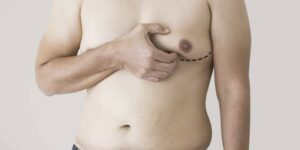
You are admitted in the morning and the chest is marked while you are standing. Under general anaesthesia the surgeon then works in these steps:
Most men are discharged the same day once they are awake and comfortable.
Cannot visit the clinic yet? Share clear photos and speak to Dr. Khare on a video call. A final plan needs an in-person exam.
The technique is chosen after examination. This table shows what is usually planned.
| Grade | What usually helps |
|---|---|
| Grade 1 | Liposuction, with gland excision if a firm gland is present |
| Grade 2 | Liposuction with gland excision |
| Grade 3 | Combined approach, sometimes with limited skin removal |
| Grade 4 | Combined approach with excess skin removal, which leaves a longer scar |
Most cuts are a few millimetres long and sit at the edge of the areola or in the chest crease, where they fade over time. Swelling settles over 2 to 3 months and the final contour takes 6 to 12 months to show. See the recovery timeline for what to expect week by week.
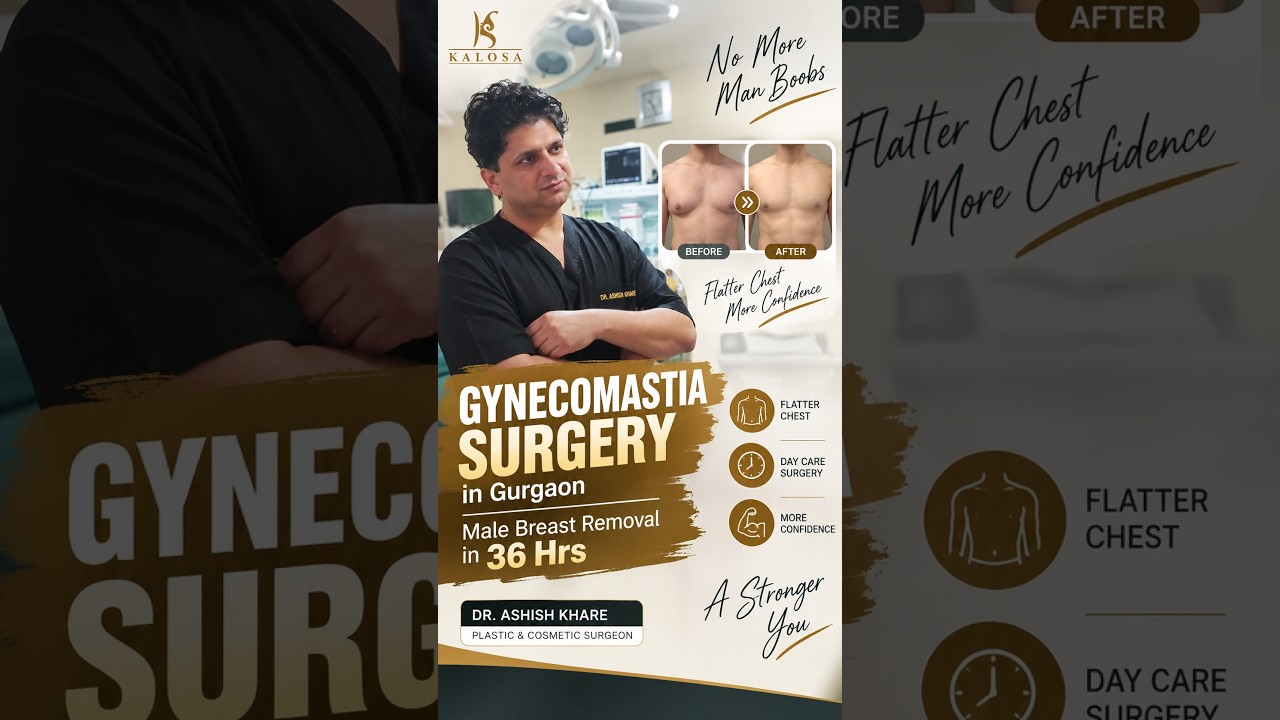
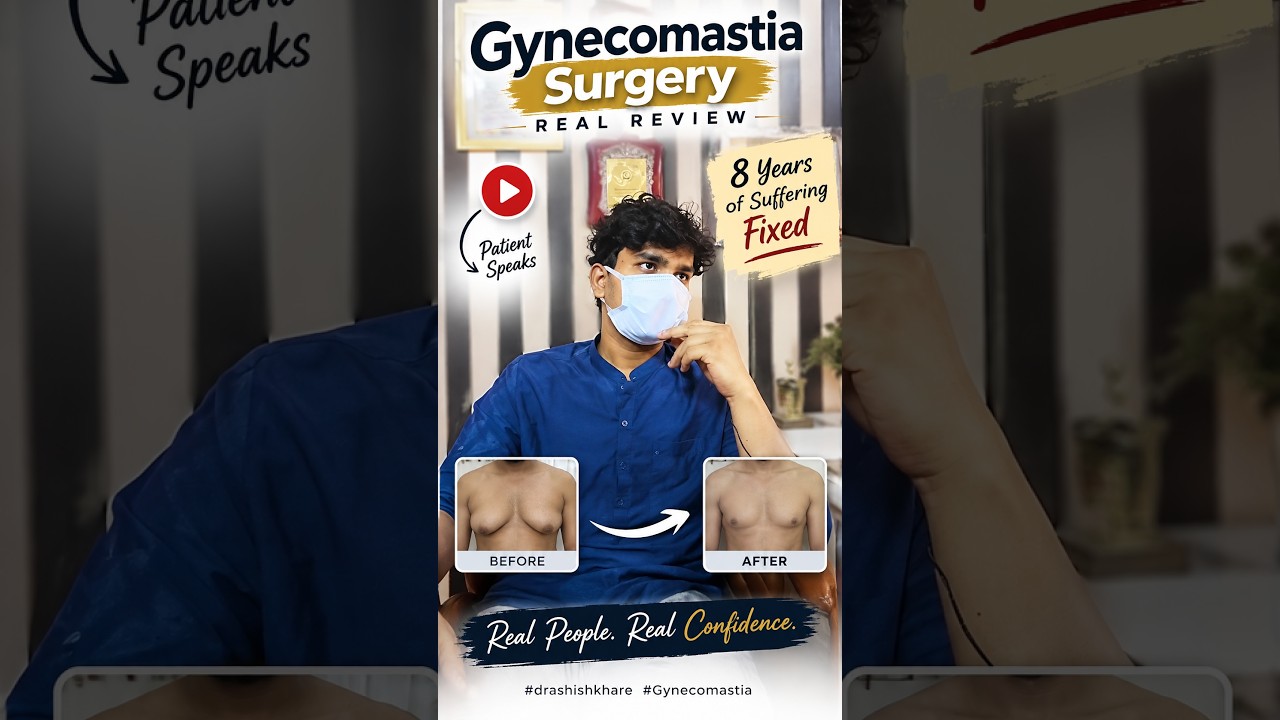

Only consented patient photos, each with grade and time since surgery. Results vary.
You are asleep during the surgery. Afterwards most men feel tightness and soreness that is controlled with prescribed painkillers.
Usually 60 to 120 minutes. Your own time is confirmed after examination.
No. It is done under general anaesthesia.
Most men are discharged the same day.
The cuts are small and placed at the areola edge or chest crease. They fade with time.
Send your photos and questions and get a reply from our team. No obligation.
This page is for general information and does not replace a medical examination. Results vary from person to person.
Tell us where you are and we will call you back.





© Copyright 2026 Kalosa Aesthetics (All rights reserved) Dr. Ashish Khare Board Certified Plastic Surgeon In Gurgaon Delhi NCR
Disclaimer: The information on this website is not intended for diagnosis, treatment, or prescribing medication. Images are for illustration only; actual results and processes may vary..