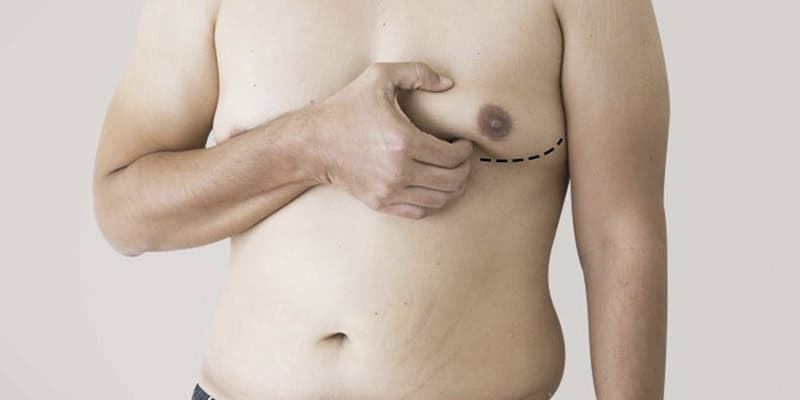
Inverted nipples are nipples that point inward instead of standing out from the breast. They are common, usually harmless, and in most people they have been there since birth. The good news is that they can be treated, from simple at-home methods to a short surgical correction.
If you are here because you want to know whether your inverted nipples need treatment, the short answer is: only if they bother you, cause problems with hygiene or infection, or you want to breastfeed and are worried about it. This guide explains why inverted nipples happen, how doctors grade them, and what your options are in India.
What are inverted nipples?
A normal nipple projects slightly outward, especially when touched or cold. An inverted nipple is pulled inward toward the breast tissue. Some sit flat, some dip into a crease, and some are completely buried.
Inverted nipples can affect one breast or both. They can also be seen in men, sometimes along with gynecomastia. The shape is a variation in anatomy, not a disease.
Causes of inverted nipples
Most cases are congenital. The milk ducts behind the nipple are a little short, or the bands of tissue holding the nipple are tight, and they gently pull it inward. This is the most common reason and it is not caused by anything you did.
Inversion can also develop later in life. Possible reasons include:
- Breast infection or inflammation, such as mastitis or duct problems
- Scarring from earlier breast surgery or injury
- Changes after weight loss, ageing or breastfeeding
- Rarely, an underlying breast lump or cancer pulling the nipple inward
That last point matters. If a nipple that used to point outward becomes inverted recently, see a doctor soon rather than assuming it is cosmetic.
Grades of inverted nipples
Surgeons commonly describe inverted nipples in three grades. The grade helps decide which treatment is likely to work.
| Grade | What it looks like | Usual approach |
| Grade 1 (mild) | Nipple comes out easily with gentle pressure or stimulation and stays out for a while | Non-surgical methods are often enough |
| Grade 2 (moderate) | Nipple can be pulled out but tends to retract again | Suction devices may help; surgery if they do not |
| Grade 3 (severe) | Nipple is deeply retracted and very hard to pull out | Surgical correction is usually needed |
Your surgeon will confirm the grade during a physical examination. Photos and a few questions about your history are part of that visit.
Can inverted nipples be corrected without surgery?
For mild cases, yes, sometimes. These methods are worth trying if your nipples come out at all when stimulated.
The Hoffman technique
You place your thumbs on either side of the nipple and gently press down and away from each other, stretching the tissue underneath. It is repeated several times a day. It needs patience, and results vary from person to person.
Suction devices
Small suction cups or nipple correctors draw the nipple outward and are worn for some hours a day. They can give temporary projection. Not everyone gets lasting results, and the nipple may go back in once you stop.
Avoid nipple piercing as a way of correction. It can lead to infection and scarring, and it can make later treatment harder.
Surgical correction of inverted nipples
When non-surgical methods fail, or the inversion is moderate to severe, surgery is the dependable option. The operation is generally short and is often done as a day-care procedure under local anaesthesia, though your surgeon will advise what suits you.
The basic idea is to release the tight tissue that is pulling the nipple inward and then support the nipple so it stays out. There are two broad approaches:
- Duct-preserving techniques, where the milk ducts are kept intact as far as possible, which may allow breastfeeding later
- Duct-releasing techniques, where the ducts are divided to achieve a lasting result in severe cases, which usually means breastfeeding is not possible from that nipple
The choice depends on the grade, your age, and whether you plan to have children. Be open with your surgeon about this, because it affects the plan.
Inverted nipples in men and gynecomastia
Men can have inverted nipples too, and it is sometimes noticed together with enlarged breast tissue. If you are a man with both, the two are treated as separate issues, but they can often be planned in the same sitting. You can read more on our page about gynecomastia surgery in India.
Recovery after nipple correction
Recovery is usually simpler than people expect, but each person heals differently. In general, you can expect:
- Some swelling, bruising and tenderness in the first week or so
- A small dressing or protective shield over the nipple, which you will be shown how to care for
- Avoiding pressure, tight bras and strenuous arm activity for the period your surgeon advises
- Follow-up visits to check healing and remove stitches if needed
Most people return to desk work within a few days. Your surgeon will give you timelines that fit your case.
Risks and limits to understand
No surgery is without risk. With nipple correction, possible issues include temporary or lasting change in nipple sensation, infection, delayed healing, scarring, and a chance that the nipple retracts again over time. Smoking can slow healing, so tell your surgeon if you smoke.
Results cannot be guaranteed, and the outcome depends on your anatomy and how you heal. A fair consultation should talk about these limits as clearly as the benefits.
When to call your surgeon
Contact your surgeon promptly after a procedure if you notice any of the following:
- Fever or chills
- Increasing redness, warmth, swelling or pain that is getting worse instead of better
- Pus or a foul-smelling discharge
- The nipple turning dark, blue or very pale
- Bleeding that soaks the dressing
Separately, if you have a new inversion, a lump, bloody discharge or skin changes on the breast, see a doctor for a proper check even if you have never had surgery.
Cost of inverted nipple correction
The cost depends on the grade, the technique, whether one or both sides are treated, the type of anaesthesia and the facility. EMI and insurance options may be available, and your final estimate is given only after an in-person consultation. Be cautious of any clinic that quotes a fixed price over the phone without examining you.
Frequently asked questions
Are inverted nipples normal?
Yes, they are a common variation. Many people have them from birth and have no health problem because of it. Treatment is a personal choice unless there is infection or a medical concern.
Can I breastfeed with inverted nipples?
Many women with mild inversion can breastfeed, sometimes with help from a lactation consultant or a nipple shield. If you plan to have surgery and want to breastfeed later, tell your surgeon so a duct-preserving method can be considered.
Do inverted nipples come back after surgery?
Recurrence can happen, mostly in more severe cases. The risk depends on the technique and your tissues, which is why a proper assessment matters.
Is nipple correction done under general anaesthesia?
Often it can be done under local anaesthesia, but this depends on the extent of correction and your preference. Your surgeon and anaesthetist will decide with you.
At what age can inverted nipples be treated?
Adults can be assessed at any age. For younger patients, a doctor will usually wait until breast development is complete before suggesting surgery.
Talk to a surgeon before you decide
If inverted nipples worry you, a conversation costs nothing but time. Dr. Ashish Khare can examine you, explain which grade you have, and tell you honestly whether simple measures could work or whether a procedure makes sense. There is no pressure to go ahead, and it is fine to take time to think.
This article is general information and not a substitute for a personal medical assessment.