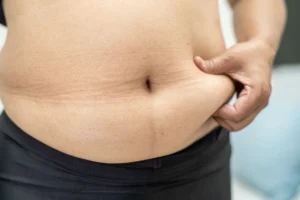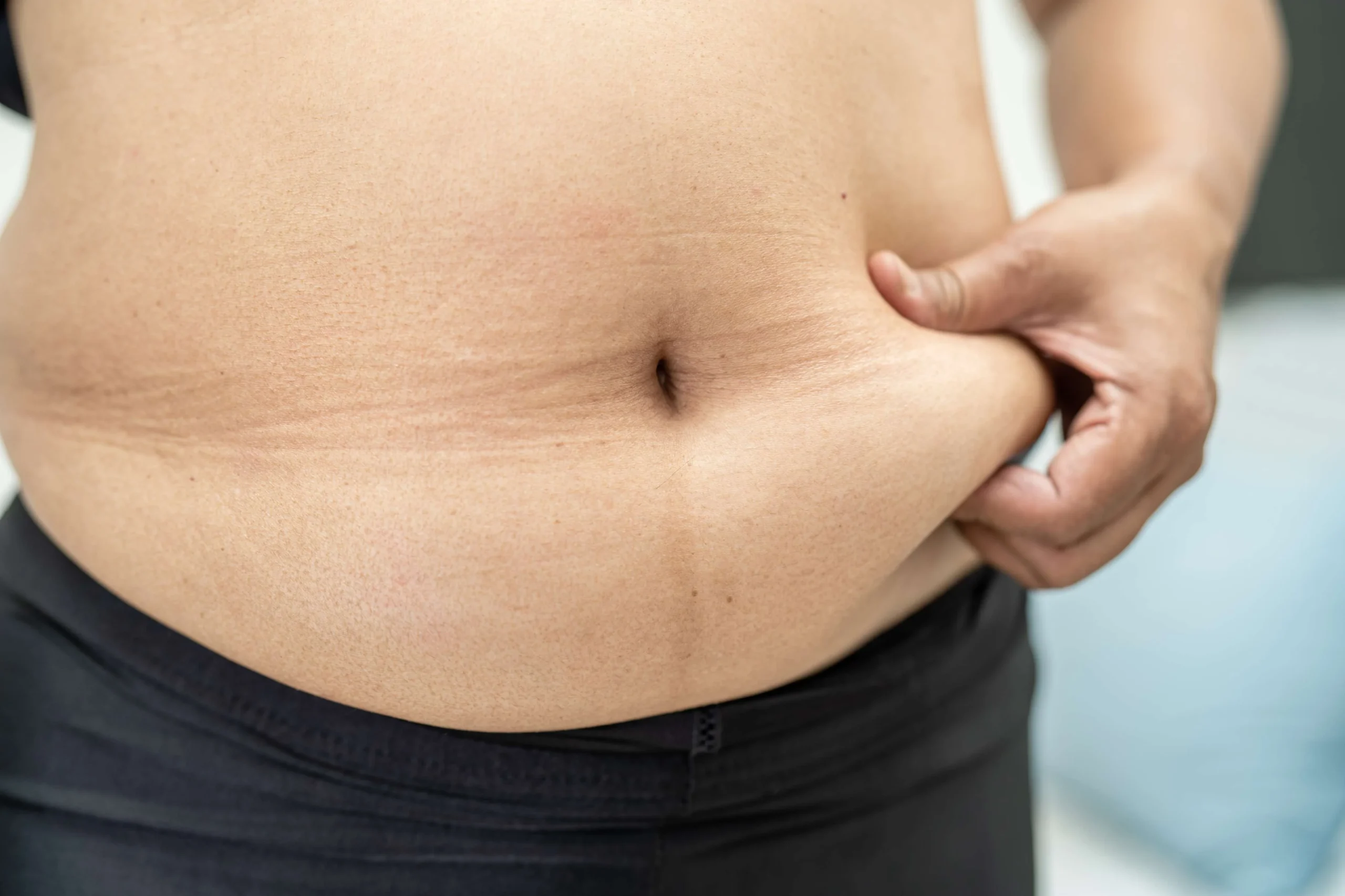
An apron belly, also called a pannus, is a fold of skin and fat that hangs down from the lower abdomen, sometimes over the pubic area or even the thighs. It is not a failure of willpower. It usually follows weight loss, pregnancy, or years of carrying extra weight, and it often does not respond to diet and exercise alone.
The good news is that it can be treated. Which treatment suits you depends mainly on how much loose skin you have versus how much fat. In many cases a tummy tuck is the right answer, while in others liposuction on its own is enough. This guide explains how to tell the difference.
What is an apron belly?
The word “apron” describes how the tissue hangs, like the front of an apron. The medical term is pannus. It is made of skin that has lost its elasticity plus a layer of fat underneath.
Doctors often describe it in grades, based on how far it hangs. A mild pannus sits just below the belly button. A larger one can reach the pubic bone, the upper thighs or even the knees. The grade matters because it influences both symptoms and surgical planning.
Common causes of apron belly
Several things can stretch the lower abdomen beyond its ability to bounce back. Often more than one is at work.
- Significant weight loss: when a lot of weight comes off, whether through diet, exercise, medication or bariatric surgery, the skin may not shrink back to match.
- Pregnancy: the abdominal skin and muscles stretch to make room for a baby. Several pregnancies, or twins, can leave the lower belly loose.
- Age: skin produces less collagen and elastin over time, so it recovers more slowly after stretching.
- Genetics: some people simply store fat in the lower abdomen and have skin that stretches easily.
- Previous abdominal surgery: a C-section or other operation can change how the lower belly sits.
Is it just cosmetic, or can it cause health problems?
For many people it is mostly about appearance and clothing fit. But a larger pannus can cause real discomfort. The skin fold stays warm and moist, which makes rashes and fungal infections more likely.
Some people also notice irritation or soreness from skin rubbing, a persistent odour despite good hygiene, or difficulty exercising. If you have these problems, mention them to your surgeon, as they help in deciding what is appropriate for you.
Can exercise or diet remove an apron belly?
Exercise and a healthy diet can reduce the fat part of a pannus. They cannot tighten skin that has lost its elasticity. If most of what hangs is loose skin, no number of crunches will remove it.
Core exercises can help with muscle tone underneath, and staying at a stable, healthy weight helps surgical results last. Still, once the skin is stretched beyond a point, surgery is the only reliable way to remove it.
Surgical options for an apron belly
There are three main approaches. A surgeon will recommend one after examining you, checking your skin quality, fat distribution and abdominal muscles.
| Procedure | Best suited for | What it does |
| Liposuction | Mostly fat, with good skin tone | Removes fat deposits through small incisions |
| Mini tummy tuck | Small amount of loose skin below the navel | Removes lower abdominal skin and tightens a limited area |
| Full tummy tuck (abdominoplasty) | Significant loose skin and stretched muscles | Removes excess skin and fat, and tightens the abdominal wall |
In heavier cases with a very large overhang, a panniculectomy or an extended tummy tuck may be discussed. These remove the hanging tissue more aggressively and leave a longer scar.
How a tummy tuck helps an apron belly
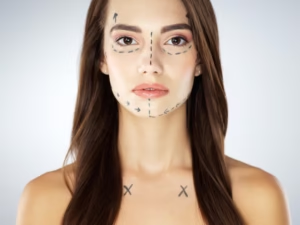
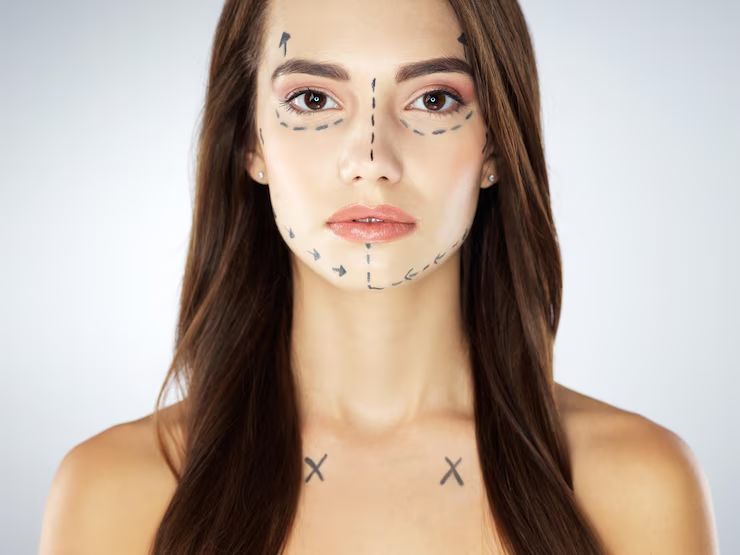
A tummy tuck is usually the most complete fix when there is real excess skin. The surgeon removes the loose skin and fat from the lower abdomen and, if needed, tightens the stretched abdominal muscles. The remaining skin is then drawn down smoothly and the incision is placed low, usually where underwear or a swimsuit can hide it.
You can read about the procedure, recovery and what affects the fee in our guide to the cost of a tummy tuck in India. Costs vary with the type of surgery, hospital, anaesthesia and your individual case, so any figure is only approximate until you have been examined.
How liposuction helps an apron belly
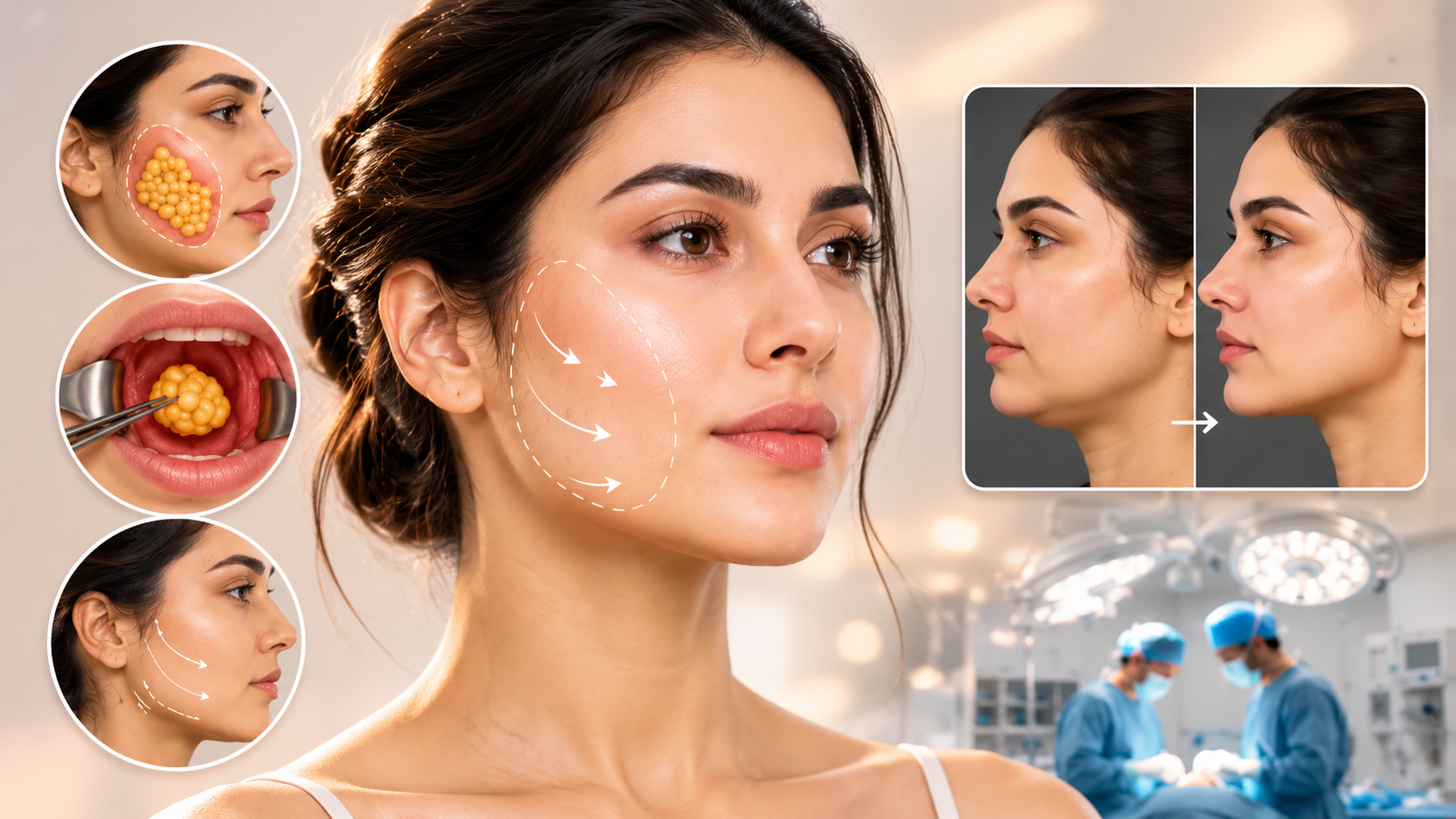
If your problem is mainly fat and your skin is still reasonably firm, liposuction may be enough. It reshapes the area by removing stubborn fat, and sometimes the skin retracts well afterwards.
The catch is that liposuction does not remove loose skin. If it is used on a belly with a lot of slack skin, the fold can look worse. That is why an honest assessment of your skin quality matters before choosing. You can learn more about liposuction in Delhi NCR and who it suits.
What to expect from recovery
Recovery depends on the procedure. Liposuction usually has a shorter downtime than a tummy tuck. After a tummy tuck, most people need to rest for the first week or two, avoid heavy lifting for several weeks, and wear a compression garment as advised.
Here is the general order of things after surgery. Your own timeline may differ, and your surgeon will guide you.
- The first few days: swelling, tightness and some pain controlled with medicines. You may walk slightly bent forward.
- The first two weeks: light walking, rest, and wound care. Drains, if placed, are removed when the surgeon says so.
- Weeks three to six: gradual return to normal activity. Heavy exercise waits until you are cleared.
- Months later: swelling settles and the scar fades slowly, often over a year or more.
Who is a good candidate?
You may be a suitable candidate if you are in good general health, do not smoke, and have a stable weight. Surgeons usually prefer that you have reached a weight you can maintain, because large changes afterwards can affect the result.
If you are planning future pregnancies, many surgeons advise waiting, as pregnancy can stretch the repaired area again. Certain medical conditions may need to be controlled first. This is something to discuss openly at consultation.
When to call your surgeon
After any abdominal surgery, contact your surgeon promptly if you notice any of the following.
- Fever, or redness, warmth or pus around the incision.
- Sudden swelling on one side of the belly, or pain that keeps getting worse despite medicines.
- Pain, swelling or redness in a calf, or sudden breathlessness or chest pain, which need urgent care.
- Wound edges that open, or a bad smell from the wound.
Do not wait for your next appointment if something feels wrong.
Frequently asked questions
Will my apron belly go away on its own?
If it is mostly fat, it can shrink with weight loss. If it is mostly loose skin, it generally will not go away without surgery.
Can liposuction alone fix an apron belly?
Only in some cases, usually when skin is firm and the problem is mainly fat. With a lot of loose skin, liposuction alone may not give a good result.
Will a tummy tuck leave a scar?
Yes, any tummy tuck leaves a scar, usually low across the lower abdomen. It tends to fade with time, but how it heals varies from person to person.
How long should I wait after weight loss before surgery?
Many surgeons like your weight to be stable for a few months before surgery. Your surgeon will advise the right timing for you.
Take the next step
If an apron belly is bothering you, a proper examination is the best place to start. Dr. Ashish Khare can assess your skin, fat and muscles, explain which option fits you, and talk through the risks and recovery without any pressure to decide on the spot.
This article is general information and is not a substitute for a personal medical assessment.